
The Edge of Exclusivity: Understanding Proprietary Trading Platforms
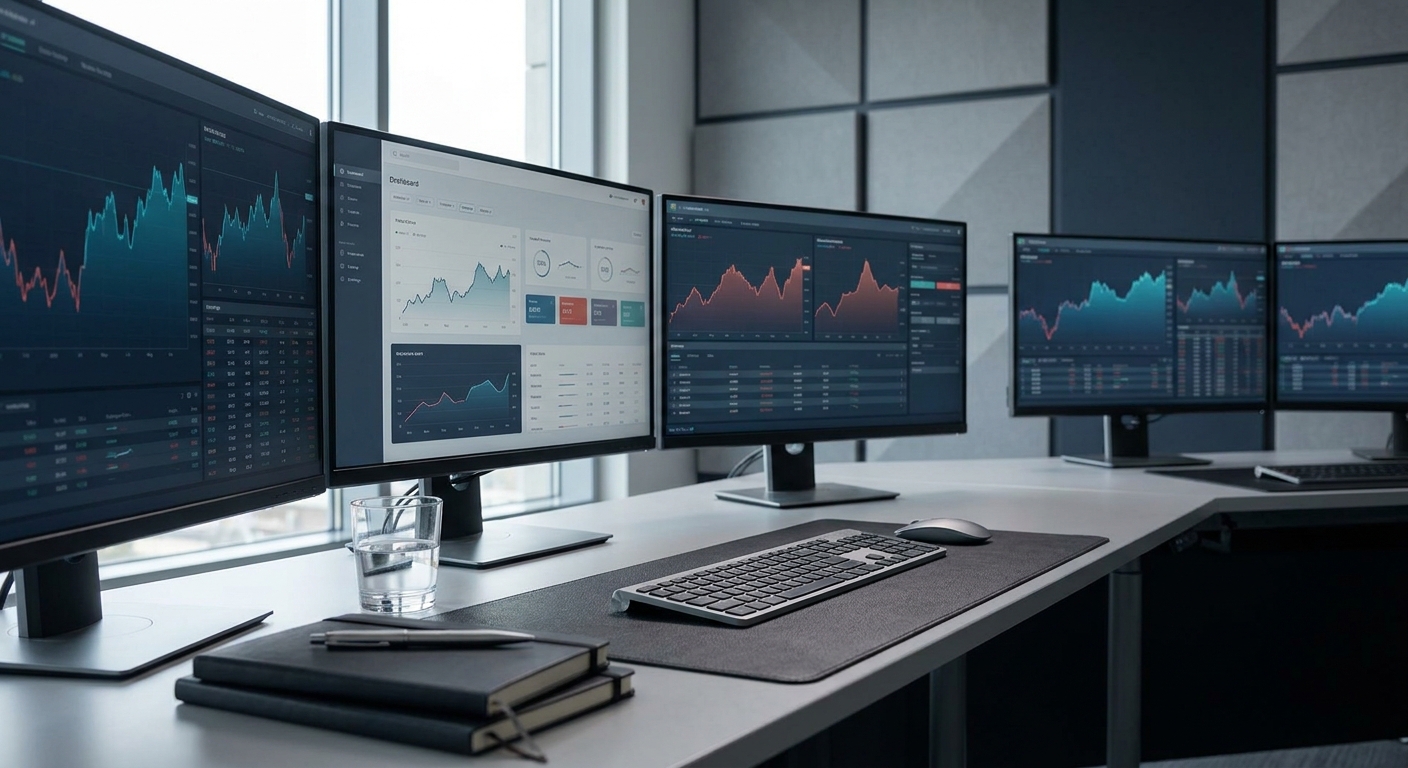
Beyond the widely adopted MetaTrader and cTrader platforms, many reputable brokers offer proprietary trading platforms designed to deliver a unique and tailored trading experience. These in-house developed solutions are not merely alternatives; they represent a broker’s commitment to distinguishing their service, often by integrating specific features, market access, or educational tools that align directly with their client base and business model. Understanding these bespoke platforms is crucial for traders evaluating their options, as they can sometimes offer advantages not found in generic software.
What Defines Proprietary Trading Platforms?
Proprietary trading platforms are software solutions developed and maintained exclusively by a brokerage firm. Unlike third-party platforms that are licensed and used by multiple brokers, a proprietary platform is an extension of the broker’s brand and service offering. This means the broker has full control over its development, features, and updates, allowing for rapid iteration and customization based on client feedback and market demands. This level of control can translate into a more integrated and seamless trading environment for the user.
One of the primary advantages of these broker-specific platforms is their ability to offer unique market access or specialized instruments. For instance, a broker specializing in exotic currency pairs or particular indices might build a platform specifically optimized for trading those assets, with tailored charting and analytical tools. Consequently, they can integrate their specific pricing models, educational resources, and customer support directly into the platform, creating a cohesive ecosystem for their traders.
Customization, Integration, and Advanced Functionality
The level of customization available on proprietary trading platforms can be extensive. Brokers can design interfaces that are exceptionally user-friendly for beginners, or packed with advanced features for professional traders, depending on their target audience. This includes custom charting packages, unique indicator sets, and specialized order types that might not be available on off-the-shelf solutions.
Integration with other services is another key benefit. A proprietary platform can seamlessly connect with a broker’s account management system, deposit/withdrawal portals, economic calendars, and news feeds. This reduces the need for traders to navigate between multiple applications, streamlining their workflow. Some broker-developed platforms even incorporate social trading features, allowing users to follow and copy successful traders within the same interface.
For advanced traders, proprietary platforms can sometimes offer superior execution speeds or unique liquidity access. Since the platform is built to work specifically with the broker’s infrastructure, potential bottlenecks found in third-party integrations can be minimized. This direct connection can be particularly beneficial for high-frequency traders or those requiring minimal latency. Furthermore, the broker can embed advanced risk management tools and sophisticated analytical capabilities directly into the platform, providing traders with a comprehensive suite of resources.
Key Advantages of Broker-Specific Trading Software
Choosing a broker with its own trading software often comes with several distinct benefits. Initially, these platforms are tailored to the broker’s specific offerings. This ensures that all available assets, order types, and account features are fully supported and optimized within the platform environment. Therefore, traders can expect a consistent and reliable trading experience.
Moreover, user experience is frequently prioritized. Brokers invest significant resources into developing intuitive interfaces and streamlined workflows for their unique platforms. This commitment often results in a smoother learning curve for new users and a more efficient experience for seasoned traders. For example, personalized dashboards and customizable layouts are common features.
Another significant advantage is enhanced security. Since the broker controls the entire development cycle, they can implement robust security measures specifically designed for their platform. This can include advanced encryption protocols, multi-factor authentication, and continuous monitoring for vulnerabilities, thereby safeguarding client funds and data more effectively.
Exclusive Features and Market Access
Many broker-developed platforms offer unique features that are simply not found on generic solutions. These might include specialized trading algorithms, proprietary indicators, or advanced backtesting functionalities. Consequently, traders gain access to tools that can provide a competitive edge in the markets. For instance, some platforms offer integrated market sentiment analysis or real-time news feeds curated specifically for their client base.
Furthermore, these platforms can provide exclusive access to certain markets or asset classes. A broker might specialize in particular indices, commodities, or even cryptocurrencies, and build a platform optimized for trading these specific instruments. This specialized access can be invaluable for traders looking to diversify their portfolios beyond standard offerings. The integration of unique charting and analytical tools further supports trading these specialized assets.
Considerations When Evaluating Proprietary Trading Platforms
While the advantages are clear, traders should carefully consider several factors when evaluating broker-owned trading software. Firstly, the learning curve can vary. Although many are designed for user-friendliness, a new interface always requires some adjustment. Traders should take advantage of demo accounts to familiarize themselves with the platform’s layout and functionalities before committing real capital.
Secondly, portability can be a concern. Unlike MetaTrader 4 (MT4) or cTrader, which allow traders to switch brokers while retaining a familiar platform, proprietary platforms are tied to a single broker. This means if a trader decides to move to another broker, they will likely need to learn an entirely new trading environment. Therefore, long-term commitment to a broker often implies commitment to its platform.
Thirdly, the availability of third-party tools and expert advisors (EAs) might be limited. Generic platforms often boast a vast ecosystem of custom indicators and automated trading systems developed by a large community. In contrast, broker-specific platforms may have a smaller selection, or only allow tools developed by the broker itself. This is an important consideration for algorithmic traders.
Support and Development of Proprietary Trading Platforms
The quality of support and ongoing development is paramount. Since the broker is solely responsible for the platform, their commitment to its maintenance and improvement directly impacts the user experience. Traders should look for brokers that regularly release updates, address bugs promptly, and actively solicit user feedback. A dedicated support team familiar with the platform’s intricacies is also crucial.
Moreover, the broker’s financial stability and long-term vision for their platform are important. A platform that is frequently updated and supported by a robust development team suggests a broker committed to providing a cutting-edge trading environment. Conversely, a stagnant platform might indicate a lack of investment or a shift in the broker’s priorities. This directly impacts the longevity and reliability of the trading tool.
Comparing Proprietary Platforms to Industry Standards
When evaluating proprietary trading platforms, it is natural to compare them against industry mainstays like MetaTrader 4/5 and cTrader. These third-party platforms are renowned for their widespread adoption, extensive customization options, and large communities of developers creating indicators and expert advisors. Consequently, many traders are already familiar with their interfaces.
However, broker-specific platforms often excel in areas where generic solutions fall short. For example, they can offer more seamless integration with the broker’s backend systems, leading to faster deposits, withdrawals, and account management. Furthermore, the broker can tailor the platform’s features to specific market conditions or client demographics, providing a more focused trading experience. This level of specialization is hard to achieve with off-the-shelf software.
For instance, some proprietary trading platforms might offer unique economic calendars with broker-specific analysis, or integrated news feeds directly from their research department. In addition, they can implement specialized order types that are not standard on MetaTrader, catering to advanced trading strategies. Therefore, while generic platforms offer broad appeal, bespoke solutions provide depth and specificity.
Choosing the Right Platform for Your Trading Style
Ultimately, the choice between a proprietary platform and a generic one depends on individual trading needs and preferences. New traders might appreciate the streamlined interface and tailored educational resources often found on broker-developed platforms. These can simplify the initial learning process and provide a clear path to understanding the markets.
Experienced traders, on the other hand, might value the advanced charting tools, specialized order types, and potentially faster execution speeds that some proprietary trading platforms offer. They might also benefit from exclusive market access or unique analytical capabilities. It is essential to consider what features are most critical to your trading strategy and whether a broker’s specific platform meets those requirements.
Furthermore, consider the broker’s reputation and regulatory status. Best Forex Brokers emphasizes choosing regulated brokers to ensure security and reliability. A robust proprietary platform from an unregulated broker carries significant risks. Therefore, always prioritize regulatory compliance alongside platform features. Researching reviews and testimonials can also provide insight into the platform’s performance and user satisfaction.
The Future of Proprietary Trading Platforms
The landscape of online trading is constantly evolving, and proprietary trading platforms are at the forefront of this innovation. Brokers are increasingly investing in their in-house solutions to differentiate themselves in a competitive market. This trend is driven by the desire to offer unique value propositions, better control over the user experience, and the ability to rapidly adapt to new technologies and market demands.
We can expect to see further advancements in artificial intelligence (AI) and machine learning (ML) integrated into these platforms. This could manifest as personalized trading insights, advanced risk management algorithms, or even AI-powered trading assistants. Furthermore, the integration of blockchain technology for enhanced security and transparency might become more common. Therefore, the future of these platforms looks promising.
The emphasis will likely remain on providing a seamless, integrated ecosystem for traders. This includes mobile accessibility, cloud-based solutions, and enhanced social trading features. Brokers will continue to leverage their proprietary technology to offer unique educational content, advanced analytical tools, and superior customer support. Consequently, traders will have access to increasingly sophisticated and user-friendly platforms.
Impact on Trader Loyalty and Market Share
A well-designed and feature-rich proprietary platform can significantly enhance trader loyalty. When a platform meets a trader’s specific needs and provides a superior experience, they are less likely to seek alternatives. This creates a strong bond between the trader and the broker, fostering long-term relationships.
Moreover, offering compelling proprietary trading platforms can help brokers capture a larger market share. By providing unique tools and specialized services, they can attract niche segments of traders who are not adequately served by generic platforms. This strategic differentiation is crucial in today’s crowded brokerage market. Ultimately, investing in proprietary technology becomes a key competitive advantage.
As the industry progresses, we anticipate that more brokers will develop and refine their own trading solutions. This will lead to a broader array of choices for traders, each with its own set of advantages and unique characteristics. For traders, this means more opportunities to find a platform that perfectly aligns with their trading style and objectives.
Conclusion
Proprietary trading platforms offer a compelling alternative to generic trading software, providing distinct advantages in customization, integration, and specialized market access. They represent a broker’s commitment to delivering a unique and tailored trading experience, often incorporating advanced features, bespoke analytical tools, and enhanced security measures. While they may require a learning curve and are tied to a specific broker, their potential to offer superior execution, exclusive features, and a highly integrated trading environment makes them a valuable consideration for any serious trader.
When evaluating these platforms, traders should prioritize regulatory compliance, assess the broker’s commitment to ongoing development, and ensure the platform aligns with their individual trading needs. By doing so, traders can confidently choose a platform that not only meets but exceeds their expectations, providing a robust foundation for their trading journey. Best Forex Brokers consistently reviews and ranks brokers, helping traders identify those with high-quality proprietary offerings. Always conduct thorough due diligence, perhaps by visiting an industry authority like Forex.com’s educational resources, before making a decision.
FAQ
What are broker-developed trading solutions?
Broker-developed trading solutions are software platforms created and maintained exclusively by a brokerage firm. Unlike third-party platforms, these are designed to be an integral part of the broker’s service, offering tailored features, market access, and a highly integrated trading environment.
Why do brokers create their own trading software?
Brokers develop their own trading software to differentiate their services, offer unique features, provide specialized market access, and maintain full control over the user experience and platform development. This allows for rapid innovation and customization based on client feedback.
Are in-house trading platforms suitable for beginners?
Many in-house trading platforms are designed with user-friendliness in mind, often offering intuitive interfaces and integrated educational resources, making them very suitable for beginners. However, some advanced platforms may have a steeper learning curve.
What are the main drawbacks of using a broker’s custom platform?
The main drawbacks include being tied to a single broker, potentially limited availability of third-party tools or expert advisors, and a learning curve if you switch brokers. Portability is a key consideration for traders who frequently change providers.
How do bespoke trading systems compare to MetaTrader?
Bespoke trading systems often offer deeper integration with a broker’s specific services, unique features, and specialized market access that MetaTrader might not provide. However, MetaTrader boasts widespread adoption, a vast community, and extensive third-party tool support. The choice depends on individual priorities.
Can I use my existing indicators on a proprietary system?
Generally, indicators developed for platforms like MetaTrader cannot be directly transferred to a proprietary system. Some brokers may offer their own selection of custom indicators or allow the development of new ones specifically for their platform.
Explore more: More from Best Forex Brokers